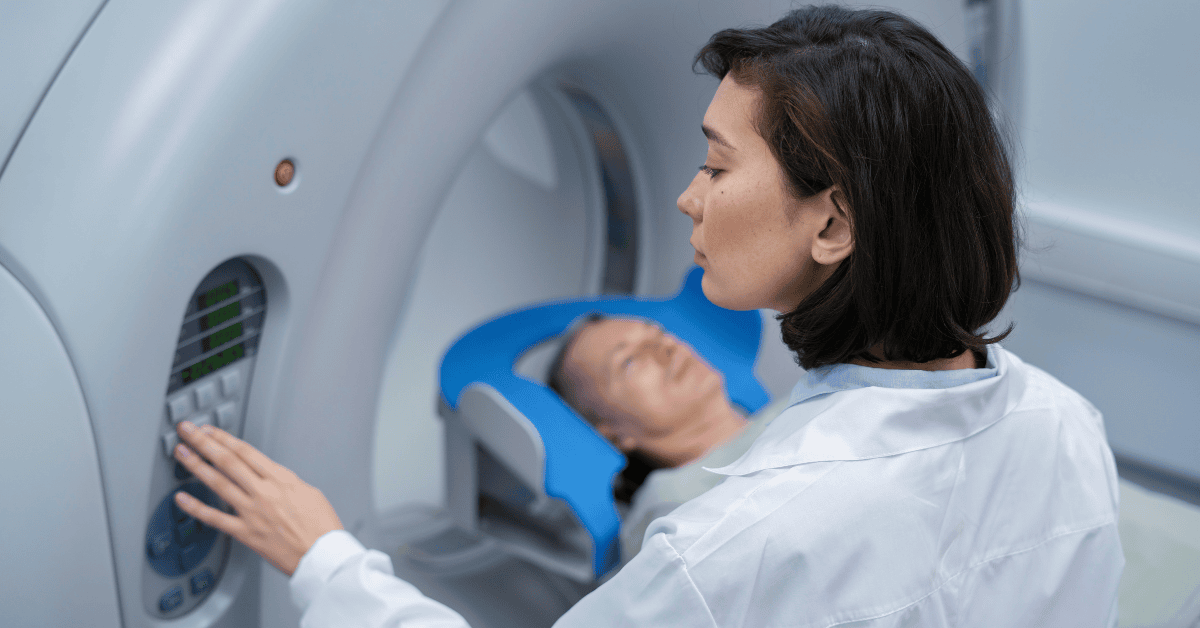
Understanding TMS: How Transcranial Magnetic Stimulation Helps Depression
- By admin
Introduction
Depression affects millions of people in the world and compromises mood, productivity, and quality of life. While medical therapy and psychotherapy help many patients, many patients become stuck in an on-going and persistent state of depression. For patients with treatment resistant depression there is an emerging innovative non-invasive solution known as Transcranial Magnetic Stimulation (or TMS therapy). It is safe, targeted therapy that patients typically tolerate well without the side effects of medication. At RDPsyche, patients access advanced TMS protocols provided by experts in the field who care for patients in a personalized way, offering another option and path in the journey toward mental wellness.
What is Transcranial Magnetic Stimulation?
Transcranial Magnetic Stimulation is a non-invasive treatment that utilizes magnetic pulses to engage certain regions of the brain that are involved in regulating mood. By stimulating the prefrontal cortex, TMS can aid in the reinstatement of normal levels of neural activity that has been disturbed by depression. Medications have an effect on the whole body; however, transcranial magnetic stimulation therapy has an effect directly on the brain, therefore, it is more targeted and has fewer side effects.
TMS sessions are typically performed on an outpatient basis and any session takes 20 to 40 minutes, which allows patients to return to their daily activities right after the session. For those seeking alternative treatments for depression, TMS is a beneficial, efficient treatment option.
How Transcranial Magnetic Stimulation Therapy Works
The first step in the transcranial magnetic stimulation therapy process is participating in a complete evaluation by trained staff members at RDPsyche. Once the therapy begins, the staff will place a magnetic coil on your scalp. The magnetic coil sends pulses to stimulate brain regions that are associated with mood and cognitive performance. The magnetic pulses are stimulating active neurons, allowing brain regions and neural circuits that have been impaired by depression to communicate again.
Patients usually describe improvements in mood, energy, and cognitive clarity after a number of therapy sessions. Clinical studies have shown TMS therapy can lead to significant symptom relief for many patients who have not responded to traditional medications or psychotherapy.
Benefits of Transcranial Magnetic Stimulation Therapy
Transcranial magnetic stimulation therapy provides a number of advantages over conventional methods of treating depression:
- Non-Invasive – There is no surgery or anesthesia, resulting in virtually no risks and lower recovery time.
- Targeted – It stimulates the brain areas that are responsible for regulating mood.
- Side Effects – Side effects are quite minimal and most will only have mild discomfort on the scalp or a slight headache that often resolve quickly.
- Outpatient – Patients can begin their daily lives immediately after receiving treatment.
At RDPsyche, personalizing care means creating tailored treatment plans to match what a patient requires. A seamless treatment package that contains the perfect combination of technology, expertise and the personal touch creates meaningful and long lasting positive change for individuals wanting to find relief from depression.
Why Choose RDPsyche for TMS
Numerous studies continue to show the positive effects of Transcrainal Magnetic Stimulation providing relief for treatment-resistant depression. Patients utilize top technology and support from mental wellness professionals to achieve improvement in their wellness and quality of life.
RDPsyche offers:
- Trained clinicians certified in TMS protocols
- Comprehensive assessments to tailor treatment protocols
- Ongoing support and follow ups to track progress and define the next steps in treatment
- Patient centered care focusing on patients comfort, safety and emotional support
RDPsyche serves their patients through the most advanced forms of TMS and with gentle guidance throughout the recovery process. With patients combining leading technological support with mental wellness expert support, they can experience improvements in levels of wellness and quality of life.
Evidence Supporting Transcranial Magnetic Stimulation
Scientific studies continue to show that Transcranial Magnetic Stimulation effectively provides relief for treatment-resistant depression. Clinical trials demonstrate the effectiveness of TMS in relieving depressive symptoms and improving cognitive functioning. TMS left patients feeling in a better mood, able to focus, and able to engage with life again.
Overall, RDPsyche uses evidence-based protocols in every treatment protocol to provide the best possible outcome for patients. RDPsyche uses the latest evidence in neuroscience to offer safe and efficacious treatment.
Conclusion
Transcranial magnetic stimulation and transcranial magnetic stimulation therapy is a new method of treating depression that offers patients relief when traditional methods have been ineffective. TMS is non-invasive, well-tolerated and minimally can have side effects.
RDPsyche provides proven expert care, individualized treatment protocols, and ongoing supportive care throughout the mental wellness journey. If you or someone you know is struggling with depression, the transcranial magnetic stimulation TMS therapy offered at RDPsyche may just be the hope, relief, and wellness that person is looking for. The innovative equipment and compassionate staff are helping our patients restore a happier, healthier life.

