How TMS Therapy Helps When Other Depression Treatments Haven’t Worked
- By admin
Introduction
Depression is a potentially debilitating illness that affects millions of people globally. While antidepressants and talk therapy work for a lot of people, some patients continue to face challenges or struggles with their depression, even though they’ve been through multiple treatments. For this subset of patients, traditional treatments such as antidepressants and therapy do not lead them to achieve relief, and they are left searching for alternatives. TMS, or Transcranial Magnetic Stimulation Therapy, seems to have a new groundbreaking treatment for treatment-resistant depression.
TMS is a targeted therapy for depression that directly stimulates parts of the brain that are associated with “mood”. At RD Psyche, we use TMS hardware with advanced protocols, patient-first mental health care, and provider-supported mental health care options to help patients restore homeostasis and improve their quality of life.
Understanding TMS Therapy
Transcranial Magnetic Stimulation (TMS) therapy is a non-invasive procedure that applies magnetic pulses to larger nerve cells in the brain. Unlike antidepressants, which have systemic effects throughout the entire body, TMS precisely targets localization of brain regions associated with mood and cognition, allowing us to provide interventions in a more effective way (especially in the treatment-resistant cases).
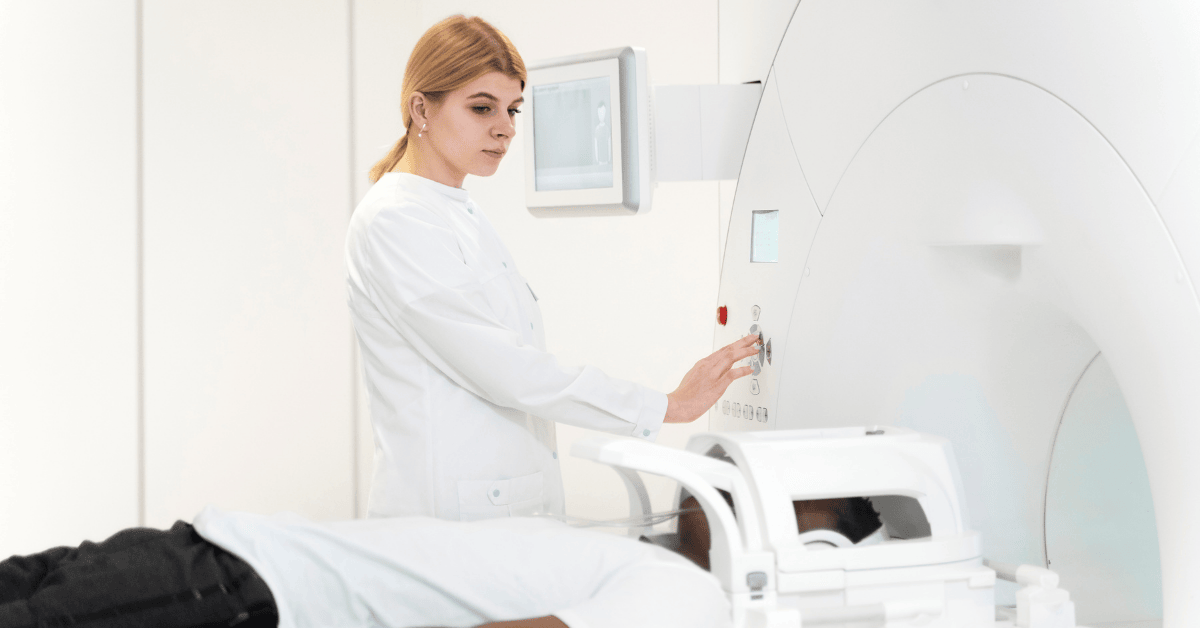
A magnetic coil is placed on the scalp during the session and delivers a series of very short pulses to the prefrontal cortex. The pulses engage the neural circuits that regulate mood, thereby enhancing emotional functioning and decreasing the symptoms of depression. Sessions run for 20 and 40 minutes and are administered on an outpatient basis so that patients can resume daily activities right after the session.
How TMS Therapy Differs from Traditional Treatments
Conventional treatments, such as antidepressants and psychotherapy, indeed help many people, however; for some patients, these treatments fail to provide relief altogether. Unlike conventional treatments, which use medications in a global manner opposed to therapies which use a more generalized approach to treatment; transcranial magnetic stimulation (TMS) directly targets the brain’s neural circuits. Because of this targeting, TMS offers a way of addressing some of the challenges with traditional treatments while directly addressing the neurobiological basis of depression.
Research tells us that when TMS is used to target depression improvements in mood, energy, and overall cognitive functioning can be excitingly significant. This is especially true for patients who have not had any benefit from other treatments. TMS modulates specific regions of the brain to enhance neural signal transmission and make the brain’s activity healthier so as to provide an additional means to recovery.
Who Can Benefit From TMS for Depression
When it comes to TMS for depression, it works exceptionally well for people who have treatment-resistant depression— they have not been able to achieve relief from either antidepressant medications, psychotherapy, or some combination of both. While TMS is an ideal treatment for individuals who want something other than a medication due to side effects, contraindication, or personal choice.
At RD Psyche, the clinician will complete a review of the patient’s medical history, clinical symptoms, (for TMS these symptoms will be part of the joining assessment), and perform a review of previous psychiatric and psychological treatments that did or did not work, and create a treatment plan of TMS for that patient. With the combination of the patient’s medical history, current clinical assessment, and previous treatment history, the clinician can devise a more individualized approach to TMS, and help the patient with the best fit for therapy, which enhances the likelihood of meaningful improvements, and possible longer outcomes.
What to Expect During TMS Therapy
Establishing TMS at RD Psyche involves careful assessment for both eligibility and baseline measures to inform the treatment plan. Once the treatment plan is established, clients attend regular visits. Typically, during an active course of treatment, patients attend 5 sessions per week, for varying lengths of time.
In their sessions, the magnetic coil is placed on the scalp and produces magnetic pulse stimulation to the prefrontal cortex. Many patients see improvements in mood, sleep, and energy levels within the first few weeks of initiating treatment. RD Psyche clinicians closely observe patients’ progress throughout treatment, making adjustments to the treatment plan as indicated in order to maximize effectiveness.
Evidence in support of TMS treatment
There is strong evidence to support TMS therapy as an effective treatment for depression in randomized controlled clinical research, especially for individuals who are resistant to other types of depression treatment. Treatment studies on TMS therapy have shown that many patients who are diagnosed with treatment-resistant depression experience a treatment effect and considerable improvement in their depressive symptoms after completing a course of treatment with TMS.
Furthermore, TMS therapy has been shown to improve cognitive function, daily functioning, and quality of life. At RD Psyche, evidence based protocols are utilized to ensure that each patient receives scientifically validated care that has been demonstrated to provide consistent, measurable results.
Safety and Side Effects
The safety profile of TMS therapy is one of its biggest perimeter. It is non-invasive, does not require anesthesia, and has no systemic risks. Most patients experience only mild side effects, temporary headaches or scalp discomfort, that resolve quickly.
Given its low-risk profile, TMS for depression is an appealing choice for individuals looking for an effective treatment option that won’t negatively affect their overall health or routine. At RD Psyche, we are committed to ensuring every TMS patient feels comfortable and safe throughout the whole process of TMS treatment.
Why RD Psyche is the Right Choice
Choosing the right provider to help determine the effectiveness of TMS therapy, and at RD Psyche, patients will receive:
- Clinically-trained clinicians using the latest TMS research and techniques
- Personalized treatment plans for patient-specific patient needs
- TMS equipment with advanced technology that provided precision brain stimulation
- Follow-up support with responsive care to document progress
By using knowledge, technology, and compassionate care, at RD Psyche we will give patients the best chance of bringing about lasting relief from depression.
Conclusion
For people who have dealt with persistent depression and have gone through many treatments without success, TMS therapy offers a groundbreaking new option. At RD Psyche, we have a narrow focus on developing patient relationships through compassionate services with compassionate clinically evidence-based therapies and responsive care to improve lives.
TMS therapy will provide you with an actual alternative treatment option to traditional depression treatment modalities, and, if you want hope, renewed confidence, and a new look into the future, contact the office to arrange a consultation regarding TMS therapy at RD Psyche. This treatment will assist you with gaining control of your mental health again, and enjoying life again.

